


Plain-English answers to the Medicare questions people actually ask.
Yes, you can get Medicare under 65 through disability. For most people who qualify this way, Medicare begins after 24 months of entitlement to Social Security disability benefits. Having a diagnosis or being unable to work does not, by itself, start Medicare.
There are exceptions. With amyotrophic lateral sclerosis (ALS), Medicare begins the same month Social Security disability benefits begin. Permanent kidney failure requiring dialysis or a kidney transplant, also called end-stage renal disease (ESRD), has a separate eligibility route with its own requirements and timing. Supplemental Security Income alone does not qualify you for Medicare.
I would start with your benefit notice and any Medicare start dates already assigned to you. Then I would look at how your current insurance fits with that change.
Grab a time and I will tell you straight which path fits : and which does not.
Use the ZIP-code plan search. Availability changes by county, not by article.
When does Medicare start after disability benefits?
The date you became sick, the date you applied for disability benefits, and the date Medicare starts can be different. The usual 24-month Medicare wait is tied to disability benefit entitlement, not simply the day you submitted an application or received your first payment.
An award may recognize earlier months, so approval does not always mean another full two years ahead. I would read the notice before trying to calculate your start date from memory. Most people receiving Social Security disability benefits are automatically enrolled in Part A and Part B after the qualifying period.
With ALS, the usual Medicare waiting period does not apply. With ESRD, the start date depends on treatment and other eligibility requirements. Do not use the standard disability timeline to estimate either one.
Before ending existing insurance, confirm when it ends, when Medicare begins, and whether the existing coverage should continue alongside Medicare. A disability approval alone does not settle those questions.
Related: Read the plain-English guide to Medicare Questions Answered.
What should you check first about Medicare under 65?
Your notices and a current list of your care are more useful than a guess about which plan type you want. I would put these questions in order.
1. Which disability benefit are you receiving? Social Security Disability Insurance and Supplemental Security Income are different programs. Supplemental Security Income alone does not qualify you for Medicare. Payments from a private or workplace disability policy also do not, by themselves, start the Medicare disability timeline.
2. What Medicare start dates appear on your notice or card? Check both Part A, hospital insurance, and Part B, medical insurance. If the dates are unclear, confirm them with Social Security.
3. What health coverage do you have now? Coverage through current employment, former employment, or public assistance can work differently with Medicare. Whose employment provides the coverage, whether that person still works, and employer size can affect which insurance pays first and whether delaying Part B is appropriate.
4. Which care needs to continue? List your doctors, prescriptions, treatment locations, equipment, and scheduled procedures. A specialist’s office and the facility where treatment happens may require separate checks.
5. What can your budget handle in a difficult month? A premium is only one expense. Compare regular payments with costs that rise when you need more care.
|
1
|
Which disability benefit?
The benefit type determines which timing rules apply.
|
|
2
|
When does Medicare start?
Confirm the dates for Part A and Part B.
|
|
3
|
What coverage do you have?
Check how existing insurance works with Medicare.
|
|
4
|
What care must continue?
Check doctors, prescriptions, and treatment locations.
|
|
5
|
What can your budget handle?
Compare regular payments and heavier treatment costs.
|
What coverage paths can you compare once Medicare starts?
Once eligibility and timing are clear, you can compare three broad arrangements. Any coverage you already have can change how these fit.
Original Medicare with a Part D plan. Original Medicare lets you use providers who accept Medicare across the country. A separate Part D plan covers eligible outpatient prescriptions according to its coverage rules. Original Medicare has no annual limit on your out-of-pocket costs for covered hospital and medical services. Without other coverage helping, that deserves careful attention if you need frequent treatment.
Original Medicare with a Medicare Supplement and a Part D plan. A Medicare Supplement, also called Medigap, helps pay certain costs left by Original Medicare. It has an additional premium. Federal law generally does not require insurers to sell Medigap policies to people under 65. State rules and available policies matter, and prices can differ substantially. Verify access and cost before treating this as an available choice.
A Medicare Advantage plan. This is another way to receive your Part A and Part B benefits, and many plans include Part D prescription coverage. You generally need both Part A and Part B, must live in the plan’s service area, and must enroll during an applicable enrollment period. You must keep paying your Part B premium unless assistance pays it for you.
Medicare Advantage plans have an annual out-of-pocket limit for covered medical services. Depending on the plan, provider networks, service-area limits, and prior authorization requirements can affect care. Prescription expenses follow separate rules, so the medical limit does not cap every expense.
Check the specific coverage documents against your care list. These general descriptions cannot tell you whether a particular doctor, treatment, or prescription is covered.
See where you land. If you would rather just talk it through with someone who does this every day, Most people can sort the direction quickly once the doctors, drugs, budget, and timing are on the table.
Why does ongoing care matter as much as the premium?
If you qualify through disability, your coverage decision may involve care you already receive regularly. A lower premium can still leave you paying more when appointments, therapy, testing, or treatment become frequent.
I would start with the arrangement that supports your essential care at a cost you can sustain. If a Supplement is available and affordable, examine whether its help with medical bills makes the added premium worthwhile. When comparing Medicare Advantage, check treatment costs, provider access, prescription restrictions, and approval requirements.
Compare a normal month with a month when you need considerably more care. Also consider the annual medical out-of-pocket limit where one applies, along with premiums and expenses outside that limit.
|
1
|
Continuity of essential care
Check the providers and treatments you depend on.
|
|
2
|
Costs during heavy treatment
Consider bills when you need more care.
|
|
3
|
Sustainable monthly payment
The ongoing premium must fit your budget.
|
|
4
|
Care away from home
Check coverage for planned care with distant providers.
|
|
5
|
Approval requirements
Understand the steps required for planned care.
|
What can change the coverage comparison?
A Supplement’s premium may strain your budget. Help with medical bills has value, but the payment must be sustainable. A Medicare Advantage plan may be worth comparing if it covers your essential care with manageable costs. Review the expense of a difficult year, too.
A Medicare Advantage plan may disrupt essential care. A medical spending limit does not resolve a missing specialist or treatment center. Original Medicare and any additional coverage you can obtain deserve a look, including the remaining medical bill exposure if a Supplement is unavailable.
You may already have useful coverage. Employment, retiree, or public assistance coverage may help with costs or services. Enrolling in something new can affect that arrangement, including coverage for family members. Check its written rules before making a change.
You may receive care in several places. Emergency coverage does not answer whether planned follow-up visits away from home will be covered on the same terms. Check the places you expect to use.
You may qualify for financial assistance. Medicaid, Medicare Savings Programs, or Extra Help with prescription costs can change what you pay. Disability alone does not establish eligibility for these programs. Each has its own eligibility rules.
What can catch you off guard before you turn 65?
Qualifying for Medicare early does not automatically give you the same access to a Supplement that someone first enrolling at 65 has. Do not assume you can buy one later without questions about your health or limits on availability.
Turning 65 creates a new opportunity. If you already have Medicare because of disability, you receive a new six-month federal Medigap open enrollment period starting the first month you are 65 or older and enrolled in Part B. That deserves a fresh review even if your earlier coverage was the best practical choice at the time.
Returning to work does not necessarily end Medicare immediately. Work activity, disability benefit status, and Medicare continuation have related but distinct rules. Check your current notices and Social Security’s work rules before assuming coverage has ended or will continue indefinitely.
Medicare eligibility also does not mean every cost disappears. Premiums, prescriptions, and your share of treatment bills still need attention.
What should you have ready to confirm your next step?
Start with your disability award notice, any Medicare card or start-date notice, and a summary of your current health coverage. Add your prescriptions, preferred pharmacy, doctors, and treatment locations. Include any scheduled procedure or course of treatment.
Social Security can help confirm disability benefit entitlement and Medicare enrollment dates. Your current coverage administrator can explain how that insurance works with Medicare. A broker cannot approve disability benefits or assign your Medicare start date.
Confirm when Medicare begins before comparing coverage choices. If you are still in the waiting period, review the insurance you need until that date so you do not leave a gap.
Which side of that line are you on?
That is exactly the question a short Medicare conversation settles. You get me, not a call center.
Ready to find out where you actually stand?
I am an independent broker. I work with multiple carriers, which means I do not have a plan I need to sell you. What I have is a set of questions, and about fifteen minutes to find out which path fits.
Schedule a Medicare call
Pick a time. Bring your medications and doctors. That is the homework.
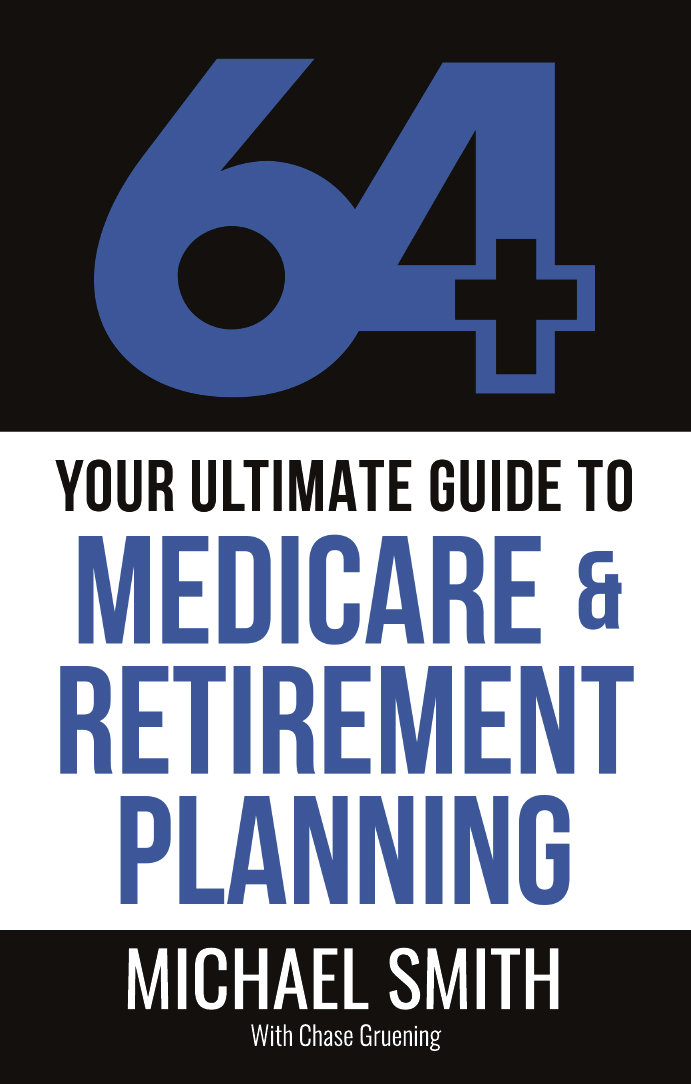
Read the 64+ Medicare guide
A calmer way to understand the moving pieces before you choose.
Call or text me directly at (270) 721-5069.
Questions people ask me about this
Can I get Medicare before 65 just because I have a disability?
A diagnosis alone does not start Medicare. Most people qualifying through disability become eligible after 24 months of entitlement to Social Security disability benefits. Different rules apply to ALS and end-stage renal disease.
Does Supplemental Security Income qualify me for Medicare?
Supplemental Security Income alone does not qualify you for Medicare. Social Security Disability Insurance follows different rules, and some people receive both benefits. Private or workplace disability insurance payments also do not, by themselves, qualify you for Medicare.
Does the Medicare waiting period start when I apply for disability?
The usual Medicare waiting period is based on months of disability benefit entitlement, not simply your application date. An award can recognize earlier months. Check your benefit notice and assigned Medicare start date before estimating how much waiting time remains.
Can I buy a Supplement if I am under 65?
Availability depends on state rules and the policies offered to people under 65. Federal law generally does not require insurers to sell a Medicare Supplement before 65. Verify your right to buy a policy and its actual premium before building your coverage decision around one.
Can someone under 65 join a Medicare Advantage plan?
Being under 65 does not by itself prevent enrollment in a Medicare Advantage plan. You generally need both Part A and Part B, must live in the plan’s service area, and must enroll during an applicable enrollment period. Provider access and treatment costs still need review.
Should I cancel my existing insurance when disability benefits are approved?
A disability approval does not necessarily mean Medicare starts immediately. Confirm your Medicare start dates and how your existing insurance works with Medicare before ending it. A premature cancellation can leave a gap in coverage.
Do I get another chance to buy a Supplement at 65?
Yes. If you had Medicare before 65 because of disability, you receive a new six-month federal Medigap open enrollment period starting the first month you are 65 or older and enrolled in Part B. Review your options again at that time.
Keep reading
Start with the basics
More questions I get asked
- Getting Medicare Before 65 Through Disability: How It Actually Works
- Recovery Care and Home Health Care With Medicare: The Part People Usually Assume Wrong
- Will My Medicare Premium Come Out of My Social Security Check?
- Can You Be Denied a Medicare Supplement? The Timing Matters More Than People Think
Find Medicare plans in your area
Medicare Advantage and Part D availability can change by county. Use your ZIP code for current local options, or browse the state guides for a plain-English overview of what to check where you live.
Find plans by ZIP code Ask Michael to check it
What clients say


Written by Michael Smith, licensed insurance broker and founder of Guardian Health & Wealth in Bowling Green, Kentucky. I help people across the country make sense of Medicare : and I will tell you when the popular answer is not your answer.
Drawn from real conversations over the years. I never share anyone’s personal information : just the thinking, so you can see how a decision like this gets made.