
 |
Michael Smith · Licensed insurance broker Plain-English answers to the Medicare questions people actually ask. |
Your Medicare enrollment deadline depends on what you need to do. Starting Medicare, replacing coverage from work and changing a Medicare plan follow different rules. There is no single deadline that covers all three. Before I tell you when to apply, I need to know what coverage you have and what is changing.
If you become eligible because you are turning 65, your first enrollment window generally lasts seven months: the three months before your birthday month, your birthday month and the three months after. Some people are enrolled automatically. Others must apply. Eligibility before 65 and birthdays on the first day of a month can change how the timing works.
Coverage through current employment may let you delay some parts of Medicare, but that needs checking. The annual window for changing plans does not replace your personal deadline for starting Medicare. I would establish that deadline first, then work backward from when your coverage needs to begin.
Grab a time and I will tell you straight which path fits : and which does not.
Use the ZIP-code plan search. Availability changes by county, not by article.
Why can the same deadline mean different things?
A Medicare deadline can come up because you are approaching 65, retiring, losing insurance or seeing reminders about changing plans. Those situations can sound alike when the question is simply, When do I have to sign up? The answer depends on which situation you mean.
I separate starting Medicare from selecting coverage that works with it. Part B covers medical services such as doctor visits and outpatient care. Signing up for that coverage is a different action from choosing a Medicare Advantage plan or a Part D plan. Completing one action does not necessarily complete the others.
The distinction matters because there are several possible costs of getting the timing wrong. You could have a gap in coverage, owe a late enrollment penalty or lose a favorable opportunity to buy a Supplement. Those consequences have different rules. Missing one deadline does not automatically mean every consequence applies.
I also separate the last day you can apply from the day coverage begins. An application submitted within an allowed window does not always mean coverage starts when you hoped. If your current insurance is ending, both dates belong in the conversation. Knowing only the application deadline leaves half the timing question unanswered.
Related: Read the plain-English guide to Medicare Questions Answered.
What do I ask before identifying your Medicare enrollment deadline?
I start with five questions. You do not need to know the technical terms. I need the facts behind the coverage you have and the change you are considering.
1. Are you starting Medicare or changing coverage you already have? This tells me which set of enrollment rules to examine. If you already have Medicare, I also need to know which parts are active. Having a card does not tell me that every part you need has started.
2. Is your insurance connected to someone who is currently working? Coverage through your own or your spouse’s current employment can affect whether delaying Part B is appropriate. Coverage that continues after employment ends can look similar on paper while having different enrollment consequences. I would check the employment situation, the size of the employer and how the coverage pays alongside Medicare.
3. When will your current coverage end? I need the actual coverage ending information, not just your planned retirement year. Your last day of work and last day of insurance may differ. That difference affects the handoff to your next coverage and which enrollment window may apply.
4. What prescription coverage do you have? The question is whether it meets Medicare’s standard for delaying drug coverage without a penalty. The term for that is creditable coverage. I would look for the written notice confirming its status. Having a prescription discount arrangement is not the same as having qualifying insurance.
5. Are you contributing to a health savings account? Medicare enrollment affects whether you can continue contributing. Some enrollment can take effect retroactively, which makes the timing worth checking before you apply. I would coordinate that question with your benefits contact or tax professional rather than assume the application month settles it.
|
1
|
Starting or changing?
Different actions follow different enrollment rules.
|
|
2
|
Coverage through current work?
Employment details can change whether you may delay.
|
|
3
|
When does coverage end?
Your next coverage needs a coordinated start.
|
|
4
|
Qualifying drug coverage?
Written confirmation helps assess penalty risk.
|
|
5
|
Savings account contributions?
Medicare enrollment affects contribution eligibility.
|
Which coverage path fits the timing you have?
Once the enrollment window is clear, I would compare three broad paths. The timing decision and the coverage decision belong together, but one does not automatically answer the other.
Keep qualifying coverage through current employment and delay Part B. This can make sense when the work coverage supports that delay and remains useful to you. The trade is that you must verify how it works with Medicare and keep the records supporting your later enrollment. Working past 65, by itself, is not enough to establish that waiting is appropriate.
Use Original Medicare, consider a Supplement and arrange prescription coverage. A Supplement helps with certain costs left by Original Medicare. A separate Part D plan generally handles prescription coverage for this path. The trade includes separate coverage decisions and premiums. The timing for buying a Supplement needs its own review; a window to change other Medicare coverage does not necessarily give you the same purchasing protections.
Choose a Medicare Advantage plan when eligible. You must have both Part A and Part B to enroll. Many of these plans include prescription coverage. The trade includes checking which doctors and hospitals participate, how referrals or approvals work and what you would pay when using care. An available enrollment window does not establish that a particular option fits your needs.
I would not select among these paths from a deadline alone. Your doctors, prescriptions, budget and willingness to manage coverage rules still matter. But I would identify the allowed timing before spending much time comparing options. A coverage choice is only useful if you can put it in place when you need it.
See where you land. If you would rather just talk it through with someone who does this every day, Most people can sort the direction quickly once the doctors, drugs, budget, and timing are on the table.
Why do I lean toward checking early?
I lean toward settling the timing question before your existing insurance is close to ending. That gives you room to confirm the rules, collect employment records and understand when the new coverage would start. Checking early does not require enrolling early.
The cost of waiting without checking can extend beyond an extra monthly charge. If you do not qualify for an enrollment window when you need one, you may have to wait for another opportunity. Meanwhile, medical care does not wait for paperwork. I want the coverage transition explained before you are relying on it.
Late enrollment penalties also deserve a careful explanation. Part B and prescription coverage have separate penalty rules. When a penalty applies, it can continue for as long as you carry the relevant coverage, subject to the applicable rules and exceptions. I would not assume a short delay produces only a short-lived cost.
At the same time, I would not tell you that everyone who enrolls after 65 owes a penalty. Qualifying work coverage and other circumstances can change that answer. A penalty estimate without your coverage history can be misleading.
My preference is to document the reason for either choice. If you enroll, know when coverage begins. If you wait, know why the delay is allowed and what event will trigger your next step. That is more useful than a general reminder to sign up sometime around retirement.
When would I tell you to wait instead?
I would change that recommendation if enrolling now created a problem that a permitted delay would avoid. This is where the details of your current insurance matter most. Earlier enrollment is not automatically the better decision.
If your current work coverage supports delaying Part B, waiting may be reasonable. I would compare what you already have, what Medicare would add and what enrolling would cost. I would also confirm whether the work coverage expects Medicare to pay first. If it does, delaying can leave you exposed even though you still have an insurance card.
If you want to keep making health savings account contributions, I would pause before filing. Medicare enrollment can affect those contributions, including through retroactive coverage. The right sequence may require stopping contributions before applying. I would want that sequence checked for your situation rather than give you a universal waiting period.
If changing coverage could affect insurance for someone else in your household, I would review that first. Leaving an employer arrangement may have consequences beyond your own medical bills. I would ask what happens to dependent coverage and whether the change can be reversed. A decision that looks sensible for you alone may be less suitable once the whole arrangement is understood.
There are also circumstances that flip a decision to wait into a decision to act. Coverage after retirement, including COBRA continuation coverage, generally does not provide the same Part B enrollment protection as coverage based on current employment. I would not assume you can wait until that insurance runs out.
Likewise, I would reconsider waiting if your prescription coverage does not meet Medicare’s standard, your current employment is ending or your insurer expects Medicare to pay first. Each fact can change the timing.
The recommendation should follow verified coverage details. If those details change, my recommendation should change with them. I would rather explain why waiting is appropriate in one situation and risky in another than give you a simple answer that fails when you try to use it.
What surprises people about enrollment and penalties?
One easily missed distinction is that having insurance does not automatically protect you from every Medicare penalty. The kind of insurance matters, and protection for one part of Medicare does not prove protection for another. Medical coverage and prescription coverage need separate checks.
Another is that a Supplement has its own timing. The federal six-month open enrollment period generally begins when you are at least 65 and enrolled in Part B. During that period, federal protections limit an insurer’s ability to deny coverage or charge more because of health conditions. Outside it, your options can depend on other protections and state rules.
That means the annual opportunity to change a Medicare Advantage plan or a Part D plan does not create a fresh federal open enrollment period for a Supplement. If keeping that option matters to you, I would discuss it before you make the initial coverage choice.
Automatic enrollment can also change what you need to do. Before submitting an application, I would check any enrollment notices and the coverage start information on your Medicare card. You may need to review coverage that is already scheduled rather than begin a new application.
Finally, a missed deadline does not justify guessing at the consequences. Other enrollment opportunities or exceptions may apply, depending on what happened. Keep notices about employment, insurance termination and prescription coverage. Those documents can help establish the relevant timeline. I would review that evidence before concluding that you must wait or that a penalty is owed.
What should we settle on a call?
Book a call or phone (270) 721-5069 so we can work through which enrollment window applies to you. Have your current coverage information, any Medicare enrollment notice and the expected end of your work coverage available. If you have a notice about prescription coverage, keep that nearby too.
I would start with whether you need to enroll now, can reasonably wait or need to investigate a missed window. Then we can connect that answer to the coverage you are considering and the day you need it to begin.
You do not need to arrive with a plan selected. The useful first step is understanding your own deadline and what supports it. From there, we can review the tradeoffs without making a coverage decision around a date that does not apply to you.
Which side of that line are you on?
That is exactly the question a short Medicare conversation settles. You get me, not a call center.
Ready to find out where you actually stand?
I am an independent broker. I work with multiple carriers, which means I do not have a plan I need to sell you. What I have is a set of questions, and about fifteen minutes to find out which path fits.
Schedule a Medicare call
Pick a time. Bring your medications and doctors. That is the homework.
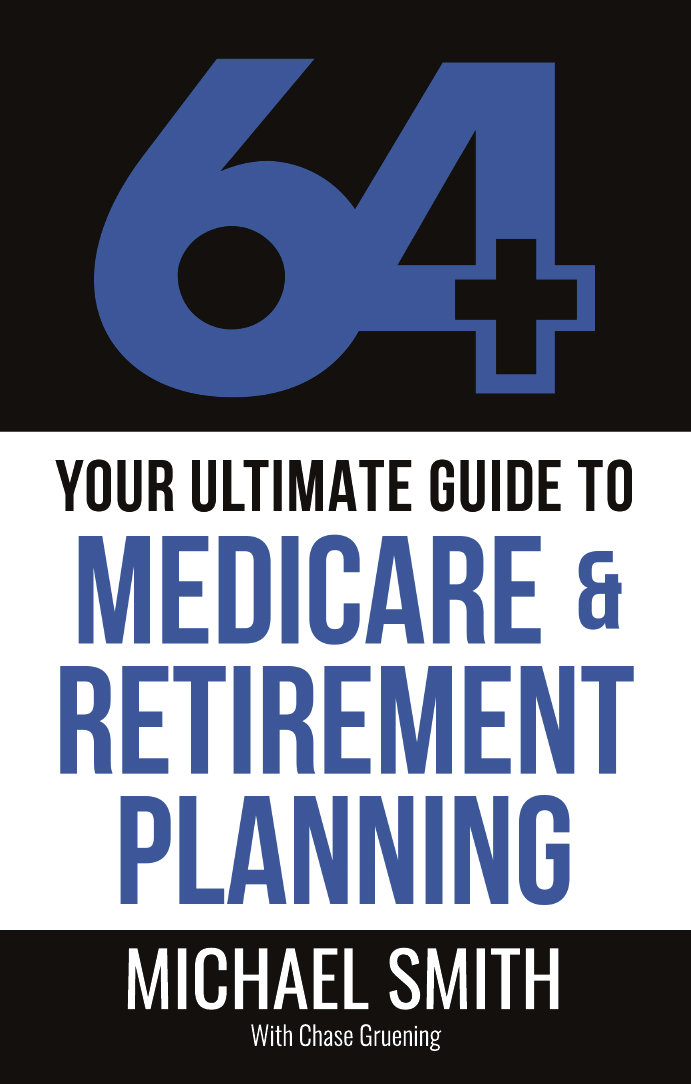
Read the 64+ Medicare guide
A calmer way to understand the moving pieces before you choose.
Call or text me directly at (270) 721-5069.
Questions people ask me about this
Is there one Medicare enrollment deadline for everyone?
No. Starting Medicare, enrolling after qualifying work coverage and changing an existing plan follow different timing rules. Your deadline depends on your eligibility, current coverage and the action you want to take.
Do I have to enroll in Medicare when I turn 65?
Some people should enroll then, while others can delay certain parts because of qualifying coverage through current employment. Working past 65 does not, by itself, establish that delaying is appropriate. Check how your insurance coordinates with Medicare before deciding.
Does COBRA let me delay Part B without a penalty?
COBRA generally does not provide the same Part B enrollment protection as insurance based on current employment. Do not assume your Part B deadline waits until COBRA ends. Your employment and coverage history need a separate timing review.
Can I owe a prescription coverage penalty if I take no medicine?
Yes, a penalty can apply if you go too long without qualifying prescription coverage after becoming eligible. Taking no prescriptions does not itself create an exception. Check whether your existing coverage meets Medicare’s standard before delaying a Part D plan.
Does the annual plan enrollment window cover a Supplement?
The annual window for changing a Medicare Advantage plan or a Part D plan does not create a new federal open enrollment period for a Supplement. A Supplement has separate purchasing protections and timing rules. Outside a protected opportunity, health questions may affect your options, depending on state rules and your circumstances.
What should I do if I think I missed my deadline?
Gather your enrollment notices and records showing when employment and insurance ended. Another enrollment opportunity or an exception may apply, but that depends on the facts. Call (270) 721-5069 to discuss which timing questions need to be resolved.
Keep reading
Start with the basics
More questions I get asked
- When can you sign up for Medicare Part B without a penalty (and what to do if you’re not sure)
- How Long Before Turning 65 Do You Actually Need To Deal With Medicare?
- Can You Be Denied a Medicare Supplement? The Timing Matters More Than People Think
- Recovery Care and Home Health Care With Medicare: The Part People Usually Assume Wrong
Find Medicare plans in your area
Medicare Advantage and Part D availability can change by county. Use your ZIP code for current local options, or browse the state guides for a plain-English overview of what to check where you live.
Find plans by ZIP code Ask Michael to check it
What clients say


Written by Michael Smith, licensed insurance broker and founder of Guardian Health & Wealth in Bowling Green, Kentucky. I help people across the country make sense of Medicare : and I will tell you when the popular answer is not your answer.
Drawn from real conversations over the years. I never share anyone’s personal information : just the thinking, so you can see how a decision like this gets made.