

Plain-English answers to the Medicare questions people actually ask.
Original Medicare generally does not cover routine dental care, routine eye exams for glasses, most glasses or hearing aids. Certain dental, eye and hearing services can be covered under specific medical coverage rules.
A Medicare Advantage plan may include routine dental, vision or hearing benefits. Check the actual services, limits and provider requirements before counting on help with a bill.
I start by separating the services involved. A cleaning, a broken tooth, new glasses and a hearing evaluation each need a different answer. The useful question is whether your coverage helps with the particular care you expect to receive, from someone you can actually see.
Grab a time and I will tell you straight which path fits : and which does not.
Use the ZIP-code plan search. Availability changes by county, not by article.
Does Original Medicare cover dental care?
Original Medicare generally does not cover cleanings, fillings, tooth removal or replacement teeth, including dentures and dental implants. There are limited exceptions when dental services are integral to covered medical treatment.
The exception is narrower than saying your teeth affect your health. A medical connection must meet the applicable coverage requirements. It does not automatically make every related dental expense payable.
Ask the treating offices which services they expect to qualify and how coverage will be checked. If only part of the proposed care meets an exception, the rest may remain your responsibility. A coverage answer for one service does not establish coverage for an entire treatment plan.
For routine dental benefits through other coverage, help with an exam does not establish that a crown, dentures or an implant will be covered. Check the specific procedure and your expected share before treatment.
Related: Read the plain-English guide to Medicare Questions Answered.
Does Original Medicare cover eye exams and glasses?
Original Medicare generally does not cover routine eye exams to update a glasses prescription or most glasses and contact lenses. An examination for an eye disease is a different coverage question.
Certain medically necessary eye services can be covered under their own rules. There is also a limited corrective-lens benefit after cataract surgery that implants an intraocular lens, subject to Medicare requirements. That exception does not mean future routine glasses purchases are covered.
The office providing the service may be the same, but the reason for the visit and the service performed can change the coverage answer. Ask the office to separate the medical examination, any routine prescription service and the eyewear charges.
A Medicare Advantage plan may include routine vision benefits. Check whether the exam and eyewear are both included, how often benefits can be used, which providers qualify and what you would pay.
- 1What care do you need?Check specific services against the coverage terms.
- 2Who do you want to keep?Provider participation can affect access and cost.
- 3When is care needed?Coverage timing may not match immediate treatment.
- 4What can you pay yourself?Compare ongoing payments with possible treatment bills.
- 5Does medical coverage fit?Doctors and prescriptions belong in the comparison.
Does Original Medicare cover hearing exams and hearing aids?
Original Medicare generally does not cover hearing aids or examinations for fitting them. Certain diagnostic hearing and balance exams can be covered under applicable medical coverage rules.
Evaluating a medical concern is different from buying hearing aids. Being told that an appointment is covered does not establish that a device recommended afterward is covered too.
Ask the office to separate the diagnostic evaluation, hearing aids, fitting services and follow-up charges. That gives you specific services to check instead of one combined price.
A Medicare Advantage plan may offer additional hearing benefits. Check the devices and services allowed, provider requirements, payment limits and your expected share. A broad hearing-benefit heading cannot tell you those things by itself.
See where you land. If you would rather just talk it through with someone who does this every day, Most people can sort the direction quickly once the doctors, drugs, budget, and timing are on the table.
What are the practical ways to handle these expenses?
One path is Original Medicare with a separate budget for routine care. You pay directly for services that are not covered. This can make sense when expected needs are modest and you can handle the expense. The trade is that you carry the risk of a larger bill yourself. Ask for written prices before treatment.
If you also have a Medicare Supplement policy, do not assume it fills these gaps. A Supplement generally helps with your share of services covered by Original Medicare. It generally does not pay for routine dental care, routine vision care or hearing aids that Original Medicare excludes. A Part D plan covers prescription drugs under its terms, not dental procedures.
A second path is keeping your medical arrangement and considering separate dental, vision or hearing coverage. The trade is another cost and another set of rules. Check covered services, waiting periods, providers and payment limits in the actual policy. Establish whether an offer is insurance or a discount arrangement.
A third path is a Medicare Advantage plan with benefits that fit your needs. You are choosing your medical coverage too. Check doctors, hospitals, prescriptions and medical costs alongside the extra benefits. Verify availability where you live; a benefit description seen elsewhere does not establish what is available to you.
- 1Medical coverageReview doctors, prescriptions and medical care costs.
- 2Your specific servicesCheck whether the treatment you need qualifies.
- 3Provider accessConfirm that an appropriate participating provider is accessible.
- 4Total expected costInclude premiums and remaining care costs.
- 5Treatment timingCheck effective dates and applicable restrictions.
What should you check before comparing coverage?
I would begin with these five questions. Each one changes what needs a closer look.
1. What care do you actually need? Use a written treatment recommendation when available. The specific procedure gives you something to check against the coverage terms.
2. Who do you want to keep seeing? Verify provider participation in the particular coverage and for the service you need. An office saying it accepts insurance is not enough to establish what your bill would be.
3. When is the care needed? Check when coverage would take effect and whether restrictions affect the proposed treatment. Do not delay necessary care based on an unverified expectation that different coverage will pay.
4. What can you comfortably pay yourself? Compare the ongoing cost of coverage with the amount you may still owe when you use it. A manageable monthly payment does not automatically make a larger treatment bill manageable.
5. How well does your medical coverage work now? Your doctors, hospital access and prescriptions belong in this discussion. Compare the whole arrangement before making a change.
How should extra benefits affect the decision?
I would start by checking the medical coverage, then decide how to handle dental, vision and hearing expenses. Changing an arrangement that works for your doctors and prescriptions deserves a clear reason.
You could gain help with a dental service while making another part of your care harder to arrange or more expensive. Keeping your current arrangement could also mean passing up useful benefits or paying separately for care another option helps cover. Compare both sides.
Do not count the full advertised benefit amount as money you will receive. What you can use depends on the allowed services, payment rules and provider requirements.
A Medicare Advantage plan may deserve a closer look when its medical coverage fits and its verified extra benefits address expected needs. Separate coverage may be worth considering when you want to preserve medical care that works well. Paying directly may make sense when policy costs and remaining bills compare poorly with the cash price, provided you can manage an unexpected expense.
Timing and access can change the answer. Coverage that will not help before treatment is needed does not solve that immediate expense. A benefit also needs to be practical to use at an appropriate provider.
What should you review before treatment or a coverage change?
Gather your current coverage documents and any written treatment recommendation. For glasses or hearing aids, ask for an estimate that separates the item from the examination and other services.
Check which services qualify, whether your chosen office participates, any frequency or payment limits, and what remains your responsibility. A covered service can still leave you with costs.
Ask the provider and insurer to clarify unresolved details before committing to a larger expense. A written estimate helps with planning, but it is not a guarantee of the final payment decision.
Which side of that line are you on?
That is exactly the question a short Medicare conversation settles. You get me, not a call center.
Ready to find out where you actually stand?
I am an independent broker. I work with multiple carriers, which means I do not have a plan I need to sell you. What I have is a set of questions, and about fifteen minutes to find out which path fits.
Schedule a Medicare call
Pick a time. Bring your medications and doctors. That is the homework.
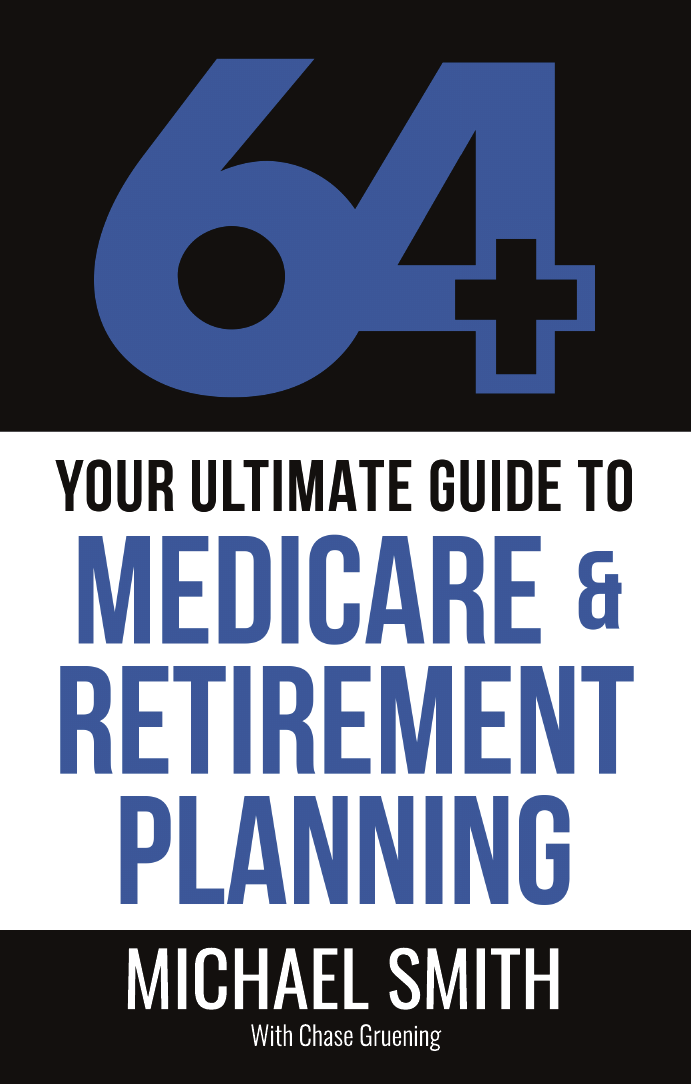
Read the 64+ Medicare guide
A calmer way to understand the moving pieces before you choose.
Call or text me directly at (270) 721-5069.
Questions people ask me about this
Does Medicare cover dental cleanings and fillings?
Original Medicare generally does not cover routine dental cleanings or fillings. Limited exceptions apply when dental services are integral to covered medical care. A Medicare Advantage plan may offer dental benefits, subject to its terms.
Does Medicare cover dentures or dental implants?
Original Medicare generally does not cover replacement teeth, including dentures or dental implants. Do not assume a Medicare Advantage dental benefit covers these services. Check the specific procedure, restrictions and expected patient cost before treatment.
Will a Supplement pay for routine dental care?
A Medicare Supplement policy generally helps with certain costs for services covered by Original Medicare. It generally does not pay for routine dental services that Original Medicare excludes. Evaluate any separate dental coverage on its own terms.
Does Medicare cover eye exams and glasses?
Original Medicare generally does not cover routine eye exams for glasses or most glasses. Certain medically necessary eye services and limited eyewear exceptions can be covered under specific rules. The purpose of the examination and the exact service matter.
Does Medicare cover hearing aids?
Original Medicare generally does not cover hearing aids or exams for fitting them. Certain diagnostic hearing and balance exams can be covered under applicable medical coverage rules. A Medicare Advantage plan may offer additional hearing benefits.
Should I change coverage to get dental benefits?
Consider dental benefits alongside your medical care and prescriptions. Check whether the benefits help with your actual treatment needs and whether the overall coverage fits. Keeping your medical arrangement and considering separate coverage or direct payment may also make sense.
What this article was checked against
Facts and current-year figures were reviewed 2026-07-27 against these primary CMS sources:
- CMS Medicare dental coverage : Medicare generally does not pay for routine care, treatment, filling, removal, or replacement of teeth or structures directly supporting teeth, with limited exceptions when dental services are integral to covered medical services.
Keep reading
Start with the basics
More questions I get asked
- Does Medicare Cover Dental, Vision, and Hearing? Where People Get Tripped Up
- How Much Is Dental Coverage on Medicare? What’s Actually Covered
- How Do I Get Vision Insurance With Medicare?
- Does Medicare Pay for Dental Care for Seniors?
Find Medicare plans in your area
Medicare Advantage and Part D availability can change by county. Use your ZIP code for current local options, or browse the state guides for a plain-English overview of what to check where you live.
Find plans by ZIP code Ask Michael to check it
What clients say




Written by Michael Smith, licensed insurance broker and founder of Guardian Health & Wealth in Bowling Green, Kentucky. I help people across the country make sense of Medicare : and I will tell you when the popular answer is not your answer.
Drawn from real conversations over the years. I never share anyone’s personal information : just the thinking, so you can see how a decision like this gets made.